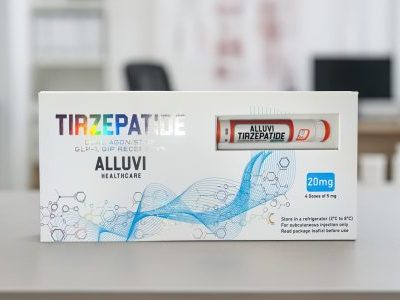

Buy Tirzepatide 20mg Research Compound | Third-Party Tested, In-Vitro Use Only
52 pounds. That’s the average weight loss recorded on the highest dose arm of Eli Lilly’s SURMOUNT-1 Phase 3 trial over 72 weeks — a result that helped make Tirzepatide one of the most requested dual-agonist compounds in incretin research today. Tirzepatide 20mg is the lower-strength research format built for labs running smaller-batch formulation work or shorter comparative protocols.
If your lab needs a research vial for stability analysis, formulation studies, or delivery-mechanism evaluation without committing to a larger volume, here’s what Tirzepatide 20mg is, what the published trial data shows, and what to check before you buy.
A Dual-Receptor Research Standard, Smaller Format
Tirzepatide (developmental code LY3298176) is a 39-amino-acid synthetic peptide built on a GIP-sequence backbone, engineered to activate both the glucose-dependent insulinotropic polypeptide receptor (GIPR) and the GLP-1 receptor (GLP-1R) simultaneously. Research has shown this dual engagement isn’t simply additive — the combined receptor activity produces a mechanistic profile the field has come to call the “twincretin” effect, distinct from single-pathway GLP-1 agonists.
Tirzepatide is FDA-approved for type 2 diabetes and chronic weight management under other brand names, which makes verified research-grade material — with documented purity and no therapeutic labeling — especially important for labs running comparative or mechanistic studies rather than clinical use. The 20mg format suits research teams running smaller-batch or shorter-duration protocols.
Specifications
| Attribute | Detail |
|---|---|
| Compound | Tirzepatide (LY3298176) |
| Vial strength | 20mg |
| Form | Pre-filled sealed research device, multi-dose format |
| Molecular class | Dual GIP / GLP-1 receptor agonist |
| Amino acid length | 39 residues |
| Purity standard | ≥98%, third-party HPLC/MS verified |
| Intended use | In-vitro / preclinical laboratory research only |
| Storage (unreconstituted) | 2–8°C, refrigerated; do not freeze |
| Regulatory status | Compound is FDA-approved for other indications; this product is research-use-only, not for human or veterinary consumption |
The Science: How Dual-Receptor Agonism Works
GIP Receptor Activity
Tirzepatide shows approximately equivalent potency at the GIP receptor relative to native GIP, engaging a pathway that single-agonist GLP-1 compounds don’t touch. Dual stimulation of GIP and GLP-1 receptors has been shown in preclinical and clinical data to enhance insulin secretion and improve insulin sensitivity beyond what selective GLP-1 receptor agonists achieve alone.
GLP-1 Receptor Activity
Tirzepatide’s GLP-1 component contributes to appetite regulation via receptor pathways expressed in areas of the brain associated with food intake, alongside its established glycemic effects. Research indicates its intrinsic activity at GLP-1R is somewhat lower than selective GLP-1 agonists, which researchers studying receptor pharmacology cite as evidence the compound’s effects are not purely additive.
Cardiovascular Signaling Research
The SURPASS-CVOT trial examined tirzepatide specifically in a high-risk metabolic research population and reported a statistically significant reduction in major adverse cardiovascular events relative to comparator arms, with research pointing to both weight-mediated and direct GLP-1R-driven cardioprotective signaling pathways.
Clinical Trial Data: What the Published Research Shows
| Trial | Population | Duration | Result |
|---|---|---|---|
| SURMOUNT-1 (Phase 3) | Obesity/overweight, n=2,539 | 72 weeks | 16.0%–22.5% weight reduction depending on dose (5mg–15mg) vs. 2.4% placebo |
| SURMOUNT-3 (Phase 3) | Obesity, post-lifestyle intervention | 72 weeks (84 total) | Additional 21.1% weight loss; 26.6% total mean weight loss from study entry |
| SURMOUNT-4 (Phase 3) | Obesity, continued treatment | 88 weeks total | 26.0% total mean weight loss |
| Phase 2b (early trials) | Type 2 diabetes | 26 weeks | ~30% of 15mg-dose participants reached normoglycemia; 1 in 4 lost ≥15% body weight |
| SURPASS-CVOT | High cardiovascular risk population | Long-term outcomes | Statistically significant reduction in major adverse cardiovascular events |
In SURMOUNT-1, participants achieved average weight reductions of 16.0% on the 5mg dose, 21.4% on 10mg, and 22.5% on 15mg, compared with 2.4% on placebo. In SURMOUNT-3, 87.5% of participants receiving tirzepatide achieved an additional weight reduction of 5% or more, compared with 16.5% on placebo — a statistically significant difference (P < 0.001).
Reported adverse events were predominantly gastrointestinal, including nausea (39.7% vs. 14.0% placebo), diarrhea (31.0% vs. 9.2%), constipation (23.0% vs. 6.8%), and vomiting (18.1% vs. 1.4%), most occurring during the dose-escalation phase and generally mild to moderate.
Tirzepatide vs. Semaglutide vs. Retatrutide: Research Comparison
| Compound | Receptors Targeted | Best Reported Weight Reduction | Development Stage (2026) |
|---|---|---|---|
| Semaglutide | GLP-1 only | ~17.4% (OASIS 1) | FDA approved |
| Tirzepatide | GLP-1 + GIP | Up to 26.6% (SURMOUNT-3) | FDA approved (other indications) |
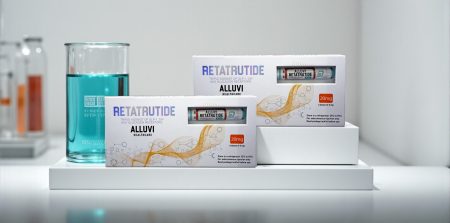
| Retatrutide | GLP-1 + GIP + Glucagon | Up to 30% (TRIUMPH-1) | Phase 3, investigational |
Comparative analysis has found tirzepatide’s highest reported weight loss percentage to be roughly 53% greater than semaglutide’s highest reported figure from the OASIS 1 trial. This is why tirzepatide remains a standard comparator compound in dual- and triple-agonist research protocols.
Choosing Between the 20mg and 40mg Research Formats
| Format | Best Suited For |
|---|---|
| Tirzepatide 20mg | Smaller-batch formulation work, shorter comparative protocols, labs beginning a new tirzepatide research line |
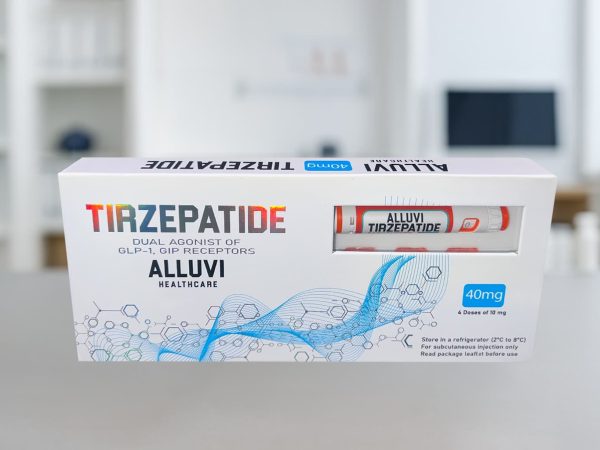
| Tirzepatide 40mg | Extended or higher-throughput studies, larger formulation batches, labs already established on tirzepatide research protocols |
Why Source Tirzepatide From a Verified Research Supplier
| Quality Marker | Why It Matters |
|---|---|
| Third-party HPLC/MS testing | Confirms purity and identity before it reaches your bench |
| Certificate of Analysis per batch | Traceability for reproducible research results |
| Multi-dose sealed device | Reduces contamination risk across repeated laboratory measurements |
| Cold-chain shipping | Preserves peptide stability from dispatch to delivery |
| Clear “research use only” labeling | Regulatory compliance and liability clarity for your institution |
When you buy Tirzepatide 20mg for laboratory use, purity documentation matters even more than usual given the compound’s approved clinical status elsewhere — request a batch-specific Certificate of Analysis to confirm you’re working with verified research-grade material.
Storage and Handling for Laboratory Use
| Condition | Requirement |
|---|---|
| Unopened research device | Store 2–8°C, refrigerated; do not freeze |
| Transport | Cold-chain shipment with cold pack strongly recommended |
| Handling | Sealed, multi-dose format designed for controlled laboratory measurement |
| Disposal | Dispose of used devices and sharps per standard laboratory biohazard protocol |
FAQs About Tirzepatide 20mg
1. What is Tirzepatide 20mg used for in research? It’s used in metabolic and endocrine research to study dual GIP/GLP-1 receptor agonism — how simultaneous activation of both pathways affects insulin secretion, appetite signaling, and cardiovascular outcomes in experimental models.
2. How is Tirzepatide 20mg different from semaglutide? Semaglutide is a selective GLP-1 receptor agonist, while tirzepatide engages both the GIP and GLP-1 receptors simultaneously, which research links to weight-reduction outcomes exceeding those seen with single-pathway compounds.
3. Is Tirzepatide FDA approved? The tirzepatide molecule is FDA-approved for type 2 diabetes and chronic weight management under other brand names. This research-grade product is supplied strictly for laboratory use and is not labeled or sold for human or veterinary consumption.
4. What does the clinical trial data show for weight reduction? SURMOUNT-1 data showed weight reductions of 16.0% to 22.5% depending on dose over 72 weeks, and SURMOUNT-3 data recorded up to 26.6% total mean weight loss over 84 weeks.
5. Should I choose 20mg or 40mg for my research? The 20mg format suits smaller-batch or shorter-duration studies, while 40mg reduces reorder frequency for extended or higher-throughput comparative protocols.
6. What purity should I expect from research-grade Tirzepatide? Reputable suppliers test to ≥98% purity via HPLC/MS and provide a batch-specific Certificate of Analysis. Always request this documentation before use in any study.
7. How should Tirzepatide 20mg be stored before use? Keep the sealed research device refrigerated at 2–8°C, protected from light, and never freeze it.
8. What side effects were reported in clinical trials? Gastrointestinal effects were most common — nausea, diarrhea, constipation, and vomiting — generally mild to moderate and concentrated during the dose-escalation phase of the studies.
9. How does Tirzepatide compare to Retatrutide in research settings? Retatrutide adds a third receptor target (glucagon) on top of tirzepatide’s GIP/GLP-1 dual mechanism, and early trial data shows a higher ceiling for weight reduction — making tirzepatide a useful mechanistic comparator in triple-agonist studies.
10. Where can I buy Tirzepatide 20mg for research purposes? Source it only from suppliers who provide third-party purity testing, batch-specific Certificates of Analysis, and clear research-use-only labeling, with cold-chain shipping to preserve compound stability in transit.


Reviews
There are no reviews yet.